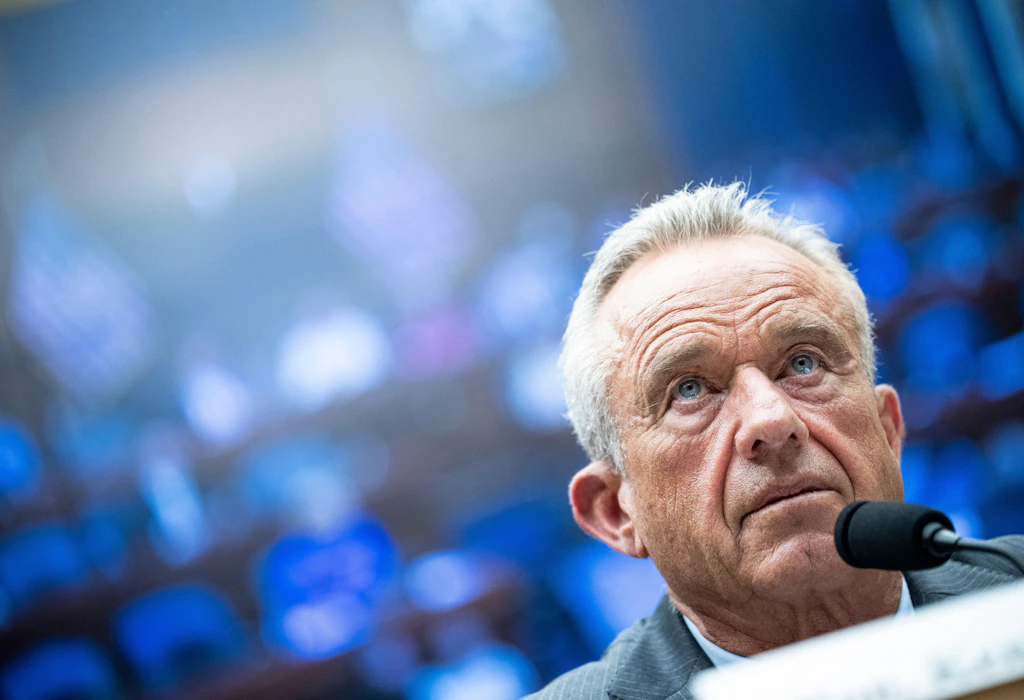
Testifying before members of a congressional panel last year, Health and Human Services Secretary Robert F. Kennedy Jr. outlined a bold new vision.
“We’re about to launch one of the biggest advertising campaigns in HHS history to encourage Americans to use wearables,” he told lawmakers at a June 2025 hearing, referring to technology like smartwatches and fitness trackers.
“It’s a way of people can take control of their own health,” Kennedy said. “We think wearables are a key to the MAHA agenda of Making America Healthy Again, and my vision is that every American is wearing a wearable within four years.”
The announcement marked a sharp departure from Kennedy’s years-long history of spreading unfounded theories that wireless signals cause cancer and can be used for mind control. And his sudden embrace of wearables drew strong pushback from many of his traditional MAHA allies, who remain suspicious of the devices.
Kennedy did not explain his turnabout on wearables, leading some critics to suggest he was influenced by members of his inner circle with business interests in the wearables sector. But Kennedy’s change of heart also coincided with a campaign by wearable device makers to get the Trump administration to boost their industry. While some device makers have made their case in public, Apple is playing a key, behind-the-scenes role in the effort, the Tech Transparency Project has found.
In the months preceding Kennedy’s comments, Apple representatives, including the company’s top lobbyist in Washington and its vice president of health, who has taken a lead role in promoting the Apple Watch, worked to set up meetings with top HHS officials, according to records obtained through a Freedom of Information Act request.
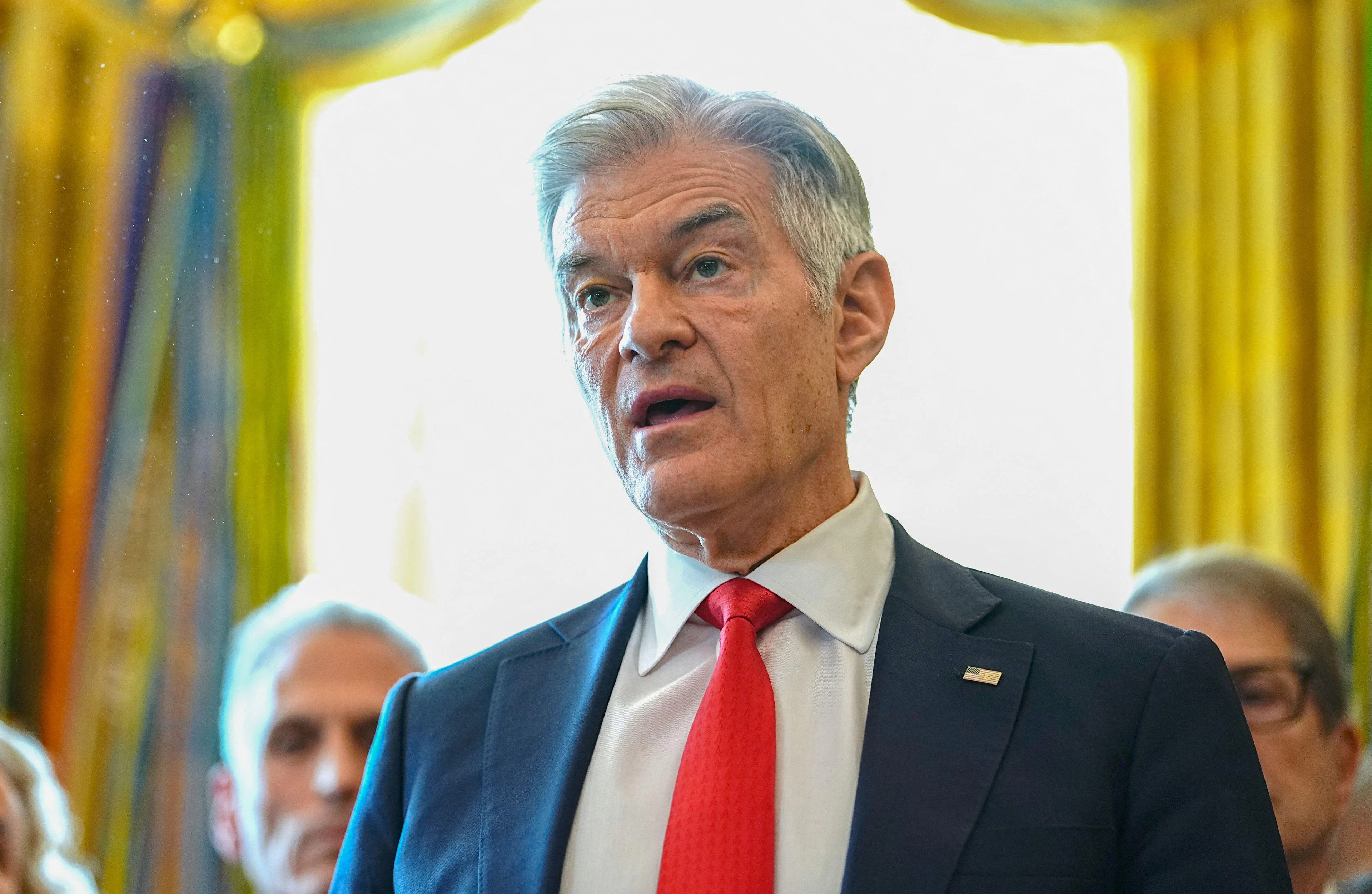
Since Kennedy’s announcement, an arm of an Apple-funded trade group has pushed Dr. Mehmet Oz, the head of the Centers for Medicare and Medicaid Services, to launch a pilot program to extend Medicare coverage to wearables.
Apple has also poured lobbying resources into a bipartisan House bill that would allow people to buy smartwatches and other wearable devices as well as subscription services like Apple Fitness+ using pre-tax funds set aside in health savings accounts.
The activity reveals how Apple’s extensive efforts to influence Trump’s Washington on everything from tariffs to child safety also extends to the health space, where the company is positioning the Apple Watch as a “groundbreaking” health monitoring tool.
Apple, HHS, and CMS did not respond to a request for comment and questions for this report.
‘Cool, modern tools’
Apple spent a record $10 million to lobby Washington policymakers in 2025. Among the agencies it targeted was the Department of Health and Human Services, headed by Kennedy. Apple disclosures show Apple started lobbying HHS on the health features of its products in the second quarter of the year, a period that coincided with Kennedy’s wearables announcement.
The disclosures do not specify whether Apple directly lobbied Kennedy. But records obtained via the Freedom of Information Act shed some light on Apple’s approach to HHS.
The records show Apple’s top D.C. lobbyist, Nick Ammann, emailed with senior aides to Oz, the CMS administrator, to set up meetings starting in April 2025. The aides included Oz’s chief of staff, Stephanie Carlton, and a top advisor, Arda Kara. Apple's vice president for health, Dr. Sumbul Desai, a leading promoter of the Apple Watch, also asked for a meeting with Oz.
Kennedy’s June 2025 announcement about the wearables campaign was clearly a boon for Apple, which has made the Apple Watch the centerpiece of its expansion into the health category. Apple’s watches include a growing list of health features including heart rate notifications, blood oxygen readings, ovulation estimates, and a sleep tracker.
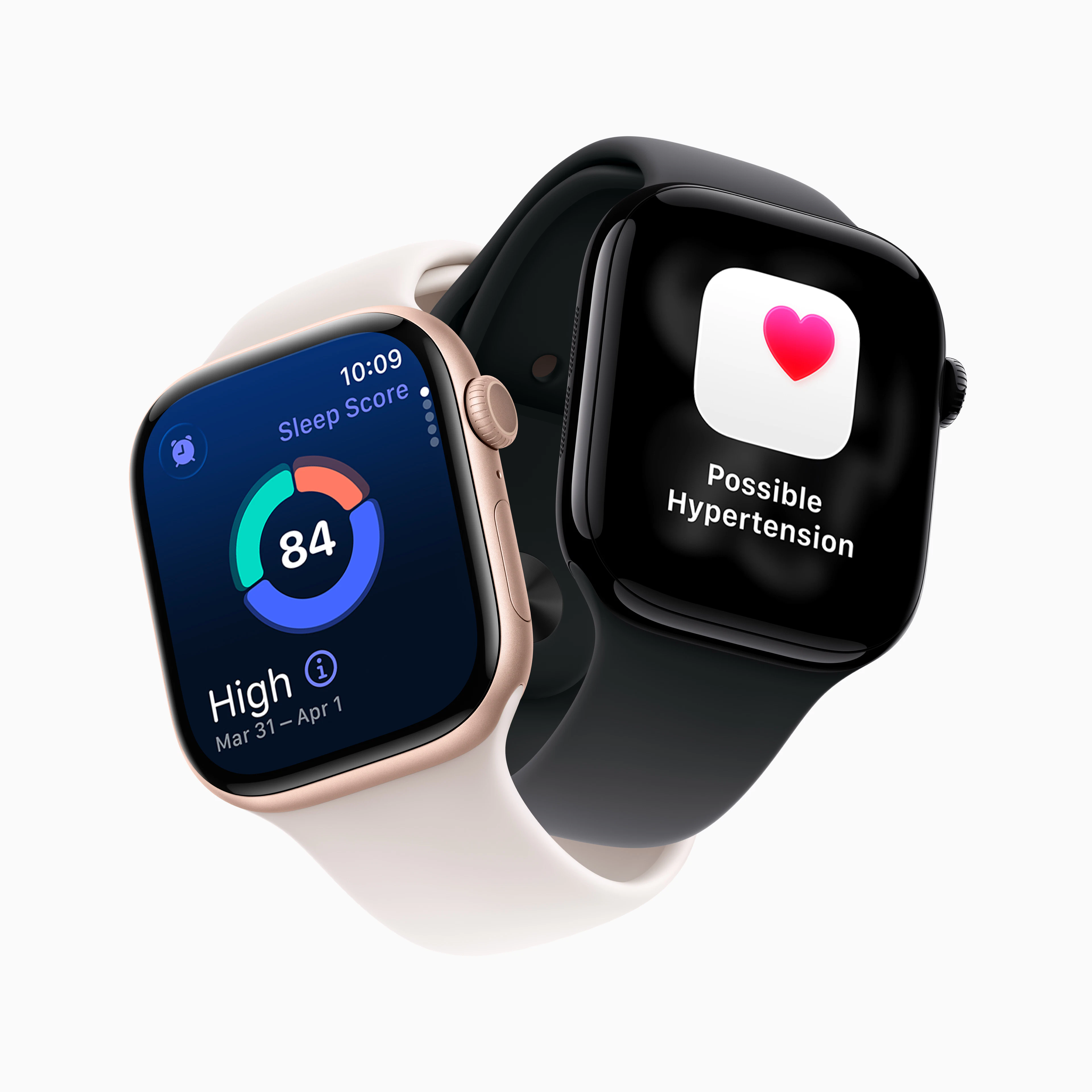
The Apple Watch include a growing list of health features including hypertension detection and a sleep tracker.
The Apple Watch include a growing list of health features including hypertension detection and a sleep tracker.
In a request for proposals issued shortly before Kennedy’s appearance in Congress, HHS sought vendors capable of running a multi-million-dollar ad campaign called “Take Back Your Health,” which would, among other things, seek to “Popularize technology like wearables as cool, modern tools for measuring diet impact and taking control of your own health.”
For Kennedy, who has spent years making unfounded claims that cellphones and Wi-Fi cause cancer and that 5G can be used for controlling human behavior, the endorsement of wearable devices—which use the same wireless signals—represented an abrupt pivot. In a May 2023 podcast appearance, Kennedy name-checked the Apple Watch as he outlined the dangers of what he described as 5G-fueled surveillance.
Prominent figures in the MAHA movement quickly rejected Kennedy’s push for wearables, with anti-vaccine podcaster Shannon Joy calling it “horrifying” and pseudoscience promoter Mike Adams describing wearables as “spy devices” that turn people into “a prisoner inside a medical police state.” Children’s Health Defense, the nonprofit group that Kennedy founded and once led, decried the announcement, saying wearable devices emit harmful radiofrequency radiation and raise privacy concerns by collecting and sharing biometric data.
Despite Kennedy’s longtime suspicion of wireless technology, some of his key government allies have connections to the wearables sector. One of Kennedy’s top HHS advisors, Calley Means, is co-founder of Truemed, a company that helps people purchase supplements and fitness equipment using funds from health saving accounts. Consumer advocacy group Public Citizen says Truemed relies on a “legally dubious business model” that involves doctors writing letters of medical necessity for wellness products that normally wouldn’t normally qualify for HSA expenditures.
Means joined HHS in March 2025 as a “special government employee,” a status that allowed him to retain his private sector investments. He later returned to the agency in a permanent capacity in November 2025 and divested his holdings in Truemed.
Means did not respond to a request for comment sent via HHS. In a statement Truemed said, "Every dollar that flows through Truemed’s platform is backed by a licensed provider's independent clinical judgment and governed by the same IRS standard that applies to any qualified medical expense.”
Asked about an FAQ on the Truemed website advising people it is possible to buy an Apple Watch with health savings account funds, Truemed said it had not partnered with Apple and its clinicians have never written letters of medical necessity for Apple Watches.
Means’ sister Dr. Casey Means, who also has close ties to Kennedy and is Trump’s nominee for U.S. surgeon general, has a stake in the wearables sector as well. She is co-founder of Levels, a glucose monitoring company. She also has investments of undisclosed size in Apple and Truemed, which she has said she will divest within 90 days of her confirmation.
Casey Means did not respond to a request for comment and questions.
Medicare pilot program
Kennedy later tried to reassure skeptical MAHA allies that he wasn’t trying to force wearable devices on them.
“The Take Back Your Health campaign is not about wearables. It’s about inspiring Americans to stop eating ultra-processed foods and reclaim control of their health,” he said in a July 2025 statement to the conservative Daily Caller. “Wearables are one option for learning about the impact of your diet on your health, but we understand they are not for everyone because of concerns like cost and personal privacy.”
A few weeks later, HHS removed language from the original RFP that talked about “popularizing technology like wearables.”
Undaunted by Kennedy’s apparent wobble on wearables, a branch of an Apple-funded trade group pressed CMS to meet the health secretary’s stated goal of giving every American access to the devices within four years.
In a July 17 letter to Oz, the Connected Health Initiative said wearables can give early warning signs of disease and “should be the foundation of any modernized health care system.” Calling on CMS to modernize its approach to this “paradigm-shifting technology,” the initiative urged the agency to set up a pilot program to test how wearables data can improve patient outcomes and cost savings. It also said CMS should update its payment rules to make it easier for people to purchase wearables using their Medicare benefits.
The Connected Health Initiative is an arm of the Washington trade group ACT | The App Association. While the App Association says it represents small app developers, Bloomberg News has reported that the “vast majority” of its funding comes from Apple and that Apple shapes the group’s policy agenda. The Connected Health Initiative has its own steering committee with members including Microsoft, Amazon, and Oura smart ring maker Oura Health, but it shares the same leadership and Washington office as the App Association. The executive director of both Connected Health Initiative and App Association is a former Apple lobbyist.
The Connected Health Initiative led another letter to Oz in August, signed by more than two dozen health care and medical tech groups, calling on CMS to devote some of the $50 million in rural health care delivery funds to wearables and cloud technology. The funds were part of Trump’s One Big Beautiful Bill Act.
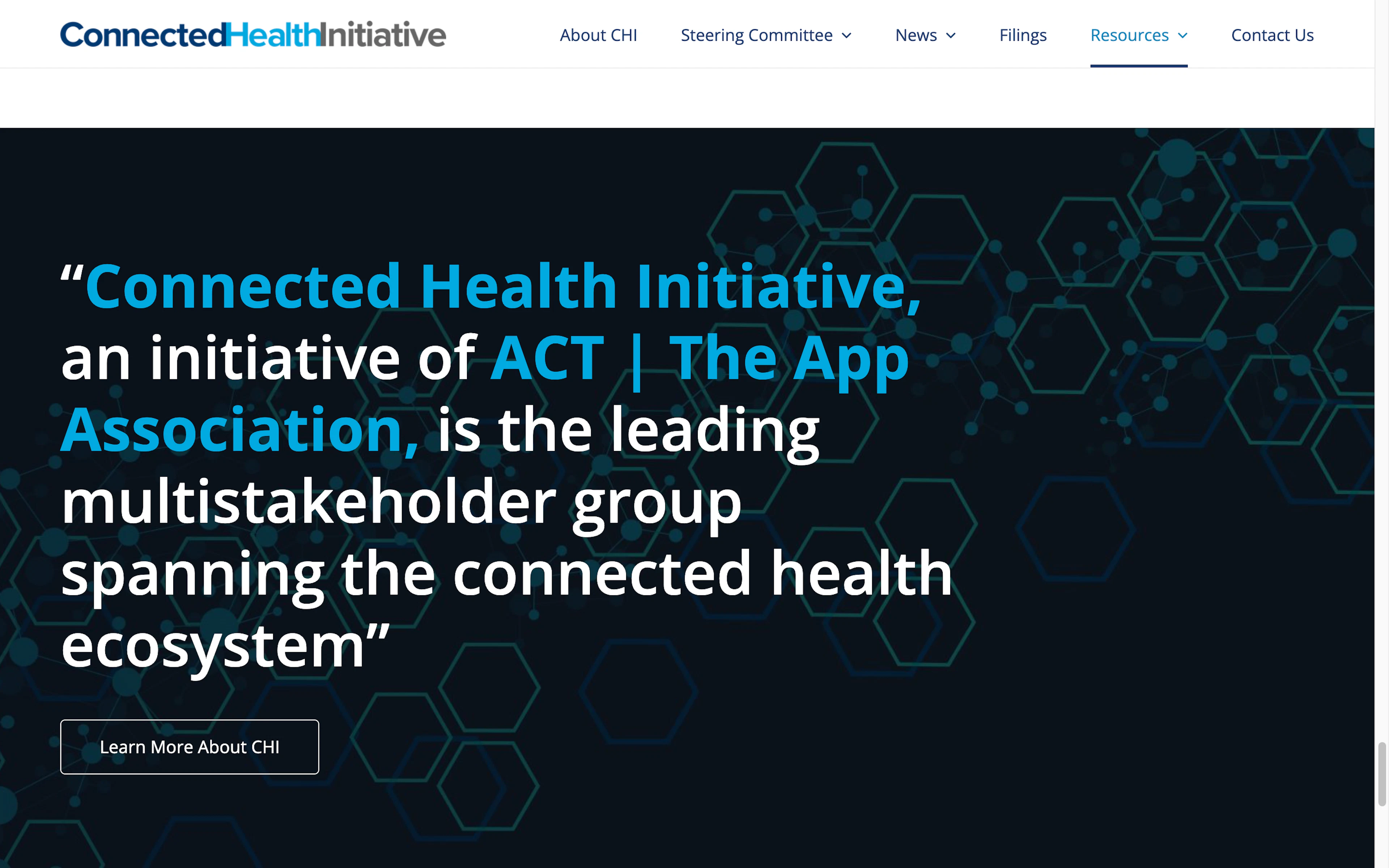
The Connected Health Initiative is an arm of the Apple-aligned App Association.
The Connected Health Initiative is an arm of the Apple-aligned App Association.
Before the end of the year Oz and other HHS officials unveiled a 10-year program to test a new payment model for digital tools, meeting one of the Apple trade group’s main goals.
Starting in July 2026, CMS will reimburse healthcare organizations that promote Medicare patients’ use of wearables, apps and telehealth software that improves their medical conditions. Physicians are also eligible for a “co-management” fee for referring a patient to the program and contributing to their health management.
The Connected Health Initiative applauded the CMS move, calling it a “crucial step towards mainstreaming wearables and digital health for chronic care management.”
The Connected Health Initiative and the App Association did not respond to requests for comment and questions for this report.
Oz at one point invested in a startup called iBeat that developed a heart monitoring smartwatch. At the time of his nomination to head CMS, he had millions of dollars in investments in health-related companies as well tech companies like Apple. He has since divested of those holdings.
Legislative push
Two days after Kennedy announced the HHS campaign to promote wearables, a bipartisan pair of House members introduced a bill called the WEAR IT Act that would allow people to spend up to $375 per year from health savings accounts on wearable devices or software that collect and analyze health data for the diagnosis or treatment of a medical condition. The bill, from Reps. David Schweikert (R-Ariz.) and Ami Bera (D-Calif.), would also allow funds to be used for subscription services tied to health monitoring, such as Apple Fitness+.
Apple is the only company that has disclosed lobbying Congress on the measure since it was introduced. And its trade groups The App Association and Connected Health Initiative have publicly campaigned for passage of the measure. According to the App Association, rules governing health savings accounts and flexible spending accounts, in which tax-exempt funds are set aside for qualified health expenses, have failed to keep pace with new digital technologies including “cutting-edge” wearables.
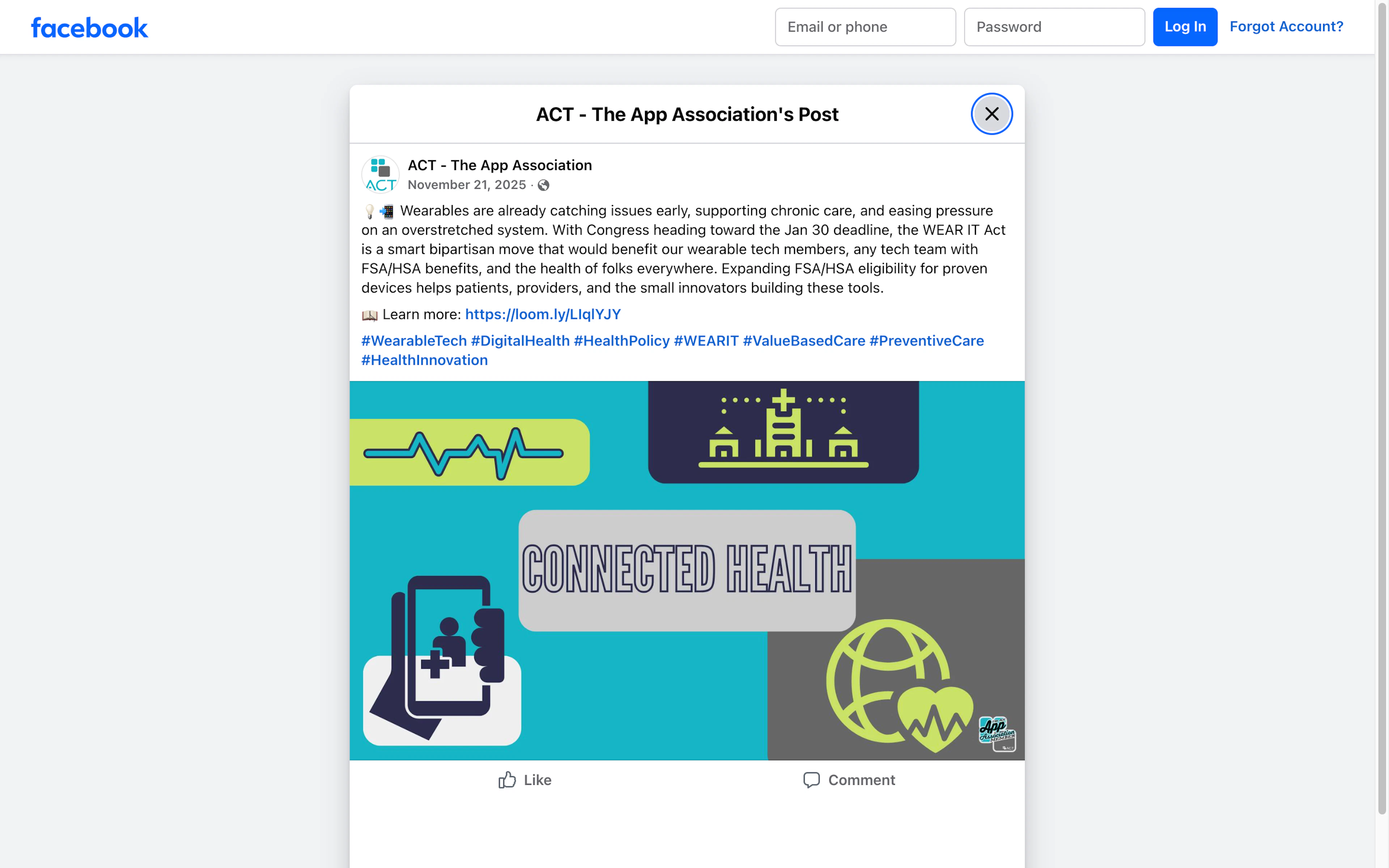
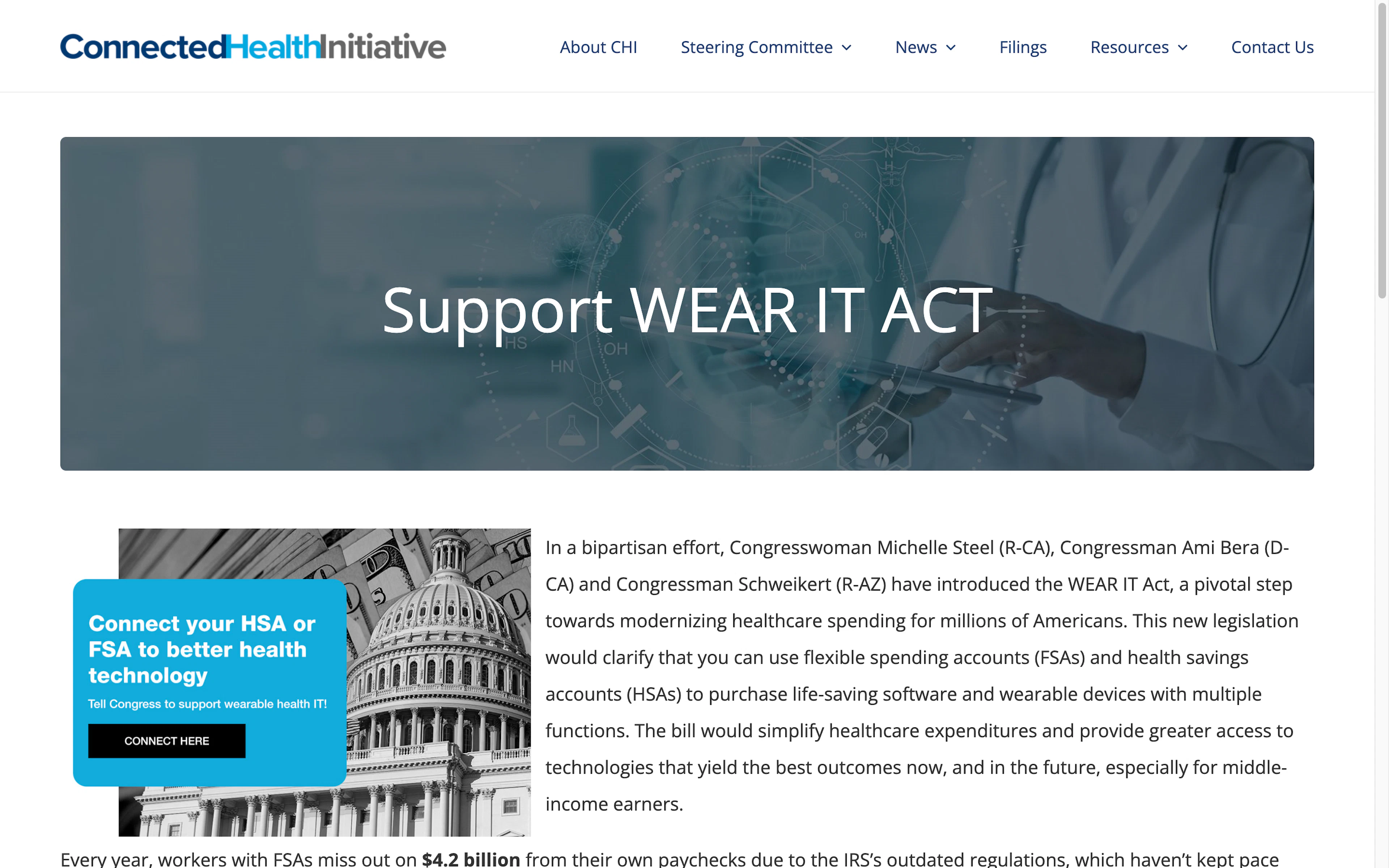
Apple's trade group allies have publicly campaigned for the WEAR IT Act.
Apple's trade group allies have publicly campaigned for the WEAR IT Act.
The 2025 WEAR IT Act expanded the scope of a previous version of the bill introduced in 2023 by then-Rep. Michelle Steel (R‑Calif.). The trade publication Inside Telehealth reported that the Connected Health Initiative helped to draft that version.
Apple’s focus on health issues has appeared to pay other dividends.
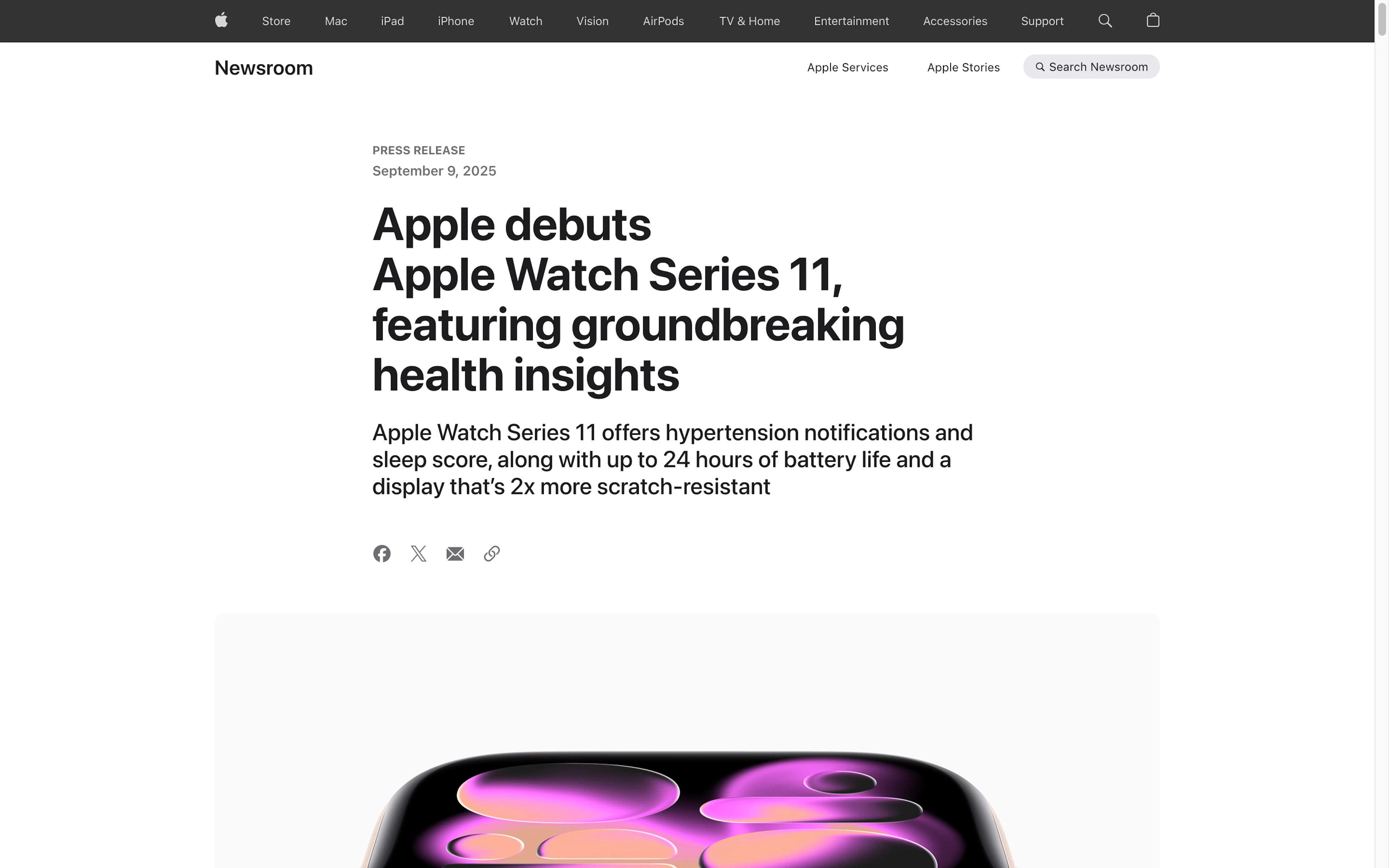
In September 2025, the Food and Drug Administration, which is part of HHS, gave clearance to Apple to add hypertension detection to some of its smartwatches. The approval came just weeks after Apple announced the feature, calling it a “groundbreaking new health insight.” However, a study published several months later in the Journal of the American Medical Association found that the feature can miss cases of hypertension, giving a “false reassurance” that may discourage people from seeking appropriate screening or medical care.
The FDA did not respond to a request for comment.
Throughout the remainder of 2025 and into 2026, Apple lobbied HHS, the Treasury Department, the Executive Office of the President, and Congress on the health features of its products and consumer wearable devices, disclosures show.
When the FDA this January issued guidance allowing more wearable devices to qualify as general wellness technology and thereby avoid a costly review process before going to market, Kennedy applauded the effort to remove “red tape.”
“Wearables can help everyday Americans proactively take charge of their health, helping them steer clear of expensive interventions and chronic disease,” the health secretary posted on X.